Commercial Waste Removal in Brompton
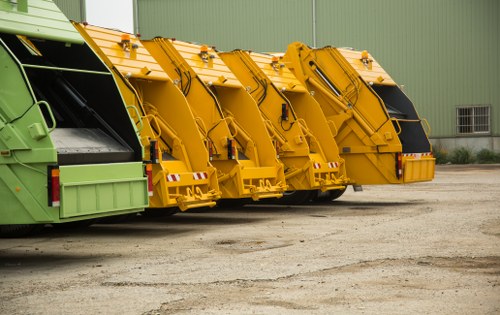
Commercial waste removal in Brompton should be straightforward, well organised and suited to the pace of a busy working day. We provide collection and clear-out support for premises that need rubbish taken away without disrupting staff, customers or contractors. That can include general business waste, bulky items, mixed office waste and other non-hazardous materials collected as part of a planned uplift, with sensible attention to access, loading and sorting.
Our service is intended for organisations that want a practical route for keeping workspaces clear, whether the job is a one-off clearance or part of a regular routine. We handle removal work across a range of commercial settings and can help when items need to be lifted from inside a building, from a rear yard or from a managed service area. Clear, simple collection is the aim throughout.
If you are comparing options, start with the type of material, the volume and any access limits, then ask for a quotation. If you already know what needs to go, you can keep the process moving by setting out the main items first. Request a quotation when you are ready.
Business waste collections for day-to-day operations
Business waste collections are useful when a workplace needs rubbish removed without letting it build up around desks, stock areas or shared spaces. We can collect mixed office refuse, packaging, bagged rubbish and similar material that has accumulated during normal trading. The main aim is to keep the process practical: the collection should fit the way your premises operate, not force you to stop work for longer than necessary.
For premises with recurring waste, a sensible collection plan often works better than waiting until the pile becomes difficult to manage. That approach helps when you want to keep circulation areas clear, reduce clutter around storage, or prepare for a move, refit or inspection. If your needs are occasional rather than routine, a single commercial clear-out may still be enough to restore usable space. Business waste removal can be a useful starting point when the job is centred on ongoing commercial rubbish rather than a full property clearance.
What this type of removal can cover
The exact load varies from workplace to workplace, but the service is generally suited to ordinary non-hazardous commercial rubbish. That may include sacks, cartons, office materials, broken small furnishings and mixed items that need separating before disposal. Where possible, sorting at source can make the uplift more efficient, though the collection itself should still be workable if the waste is gathered together in one place. Different materials may need different handling, so describing the contents clearly is always sensible.
Office clear-outs, furniture and equipment
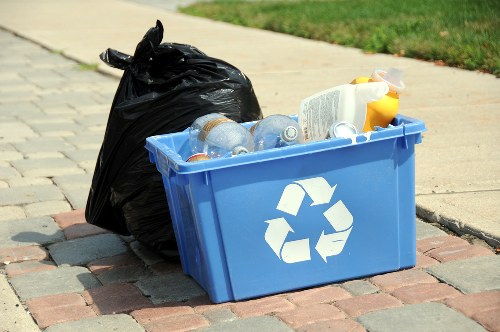
Office clear-outs call for careful removal rather than a rushed sweep, especially where desks, chairs, filing items and stored equipment need to be moved from working areas. We can support businesses that are changing layout, reducing surplus furniture or clearing a room after its purpose has changed. The work may involve lifting items from upper floors, passing through shared entrances or taking materials out in stages so that access remains manageable.
Where furniture forms a large part of the load, it helps to think about size, condition and whether pieces are still in use. Desks, shelving and seating can often be removed together, but heavier items or awkward fittings may take more planning. For that reason, it is useful to describe what is present rather than simply saying the space is cluttered. Office clearance is a relevant page if you need a more focused view of how workplace furniture and equipment are handled.
When a room contains both usable and unwanted pieces, a clear list can make the work easier to organise. Try to separate anything that must stay in place from the items that are due for removal, and mention access issues such as narrow stairwells, lift restrictions or parking constraints. If the job includes more than one type of material, we can usually plan the collection around the heaviest or most awkward items first.
Furniture disposal for bulky business items
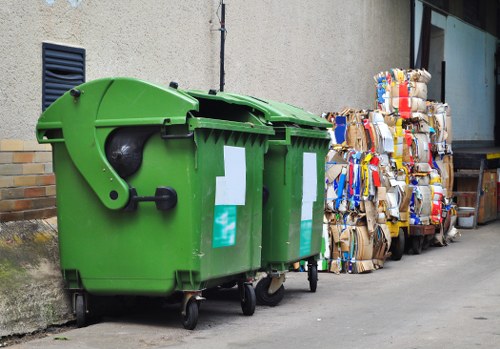
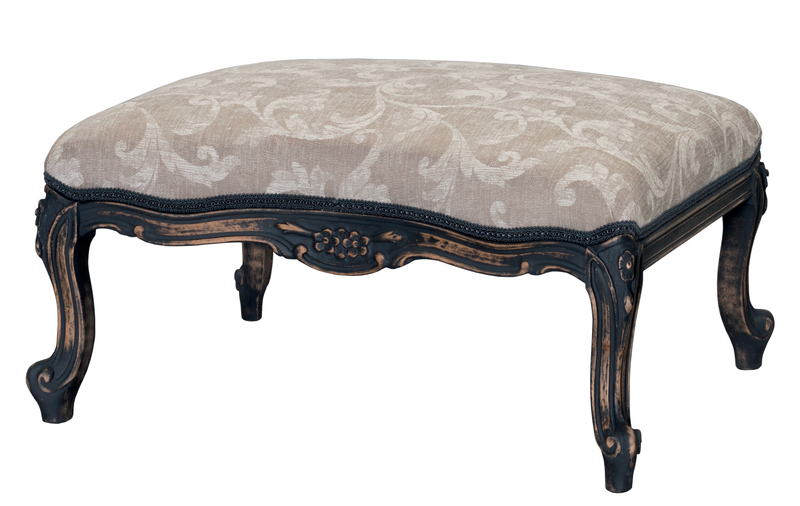
Furniture disposal is often required when premises are refurnished, downsized or reconfigured. In commercial settings that can mean chairs, tables, cabinets, reception furniture and other bulky pieces that no longer serve the layout. Removal needs to be handled with care because large items can scratch floors, block doorways or slow down a busy site if they are left in circulation areas for too long.
Some businesses only need a few unwanted items taken away, while others have a room or floor to empty. We can work with either situation, provided the load is described clearly and the removal is lawful and practical to carry out. If your job is mainly about bulky furnishings rather than mixed rubbish, furniture disposal is the most direct page for that requirement. It can sit alongside office removal work or be arranged on its own.
Planning the uplift around the property
Good planning is less about formality and more about avoiding avoidable delays. Knowing which items need collecting, where they are located and whether they are on the ground floor or higher up gives a clearer picture of the work involved. If relevant, mention disassembly needs, shared access or any items that are too heavy for one person to move safely. This helps the collection run in a way that respects both the property and the schedule.
Builders waste and mixed site debris
Builders waste clearance is useful when refurbishment, fitting-out or repair work leaves behind rubble, timber offcuts, packaging or mixed site debris. Commercial premises often need this kind of removal after a project stage is completed, especially when materials are occupying loading bays, rear service spaces or access routes. The work is most effective when the waste is described accurately, because not all building debris is the same in weight, volume or handling requirements.
We can assist with non-hazardous builders waste that has been gathered into piles, bags or containers ready for collection. Depending on the situation, this may be a short removal from one room or a larger clear-out from a worksite area. If the material includes a mixture of timber, plasterboard offcuts, metal scraps and general site packaging, that is still useful to mention, as it helps shape the plan for lifting and loading. Builders waste clearance is the obvious choice when the material comes from construction or refurbishment activity.
Where the job is connected to a fit-out, it is often best to let the removal follow the practical order of the project. Heavy or sharp materials should be identified early, and anything that could affect safe handling should be mentioned before collection. That keeps expectations realistic and allows the job to be approached in a controlled manner rather than as an improvised tidy-up.
Flat clearance and mixed contents

Flat clearance is a broader removal service for residential-style spaces that are being emptied for change of use, handover or reorganisation. In a commercial context, it can be relevant to managed flats, rented units, staff accommodation or small premises with domestic-style contents. The work may involve furniture, bagged items, kitchen pieces, small appliances and other mixed contents that need to be taken away carefully and with the property left in a workable state.
Because flats often involve shared entrances, stairs or lifts, the removal plan usually needs a little more thought than a simple kerbside uplift. It helps to identify whether there are parking limits, concierge arrangements or restricted access times. If the property is a whole house rather than a flat, a different approach may be more suitable, and flat clearance gives a relevant route for that sort of mixed-content removal.
For business owners, landlords or agents, the main decision is usually how much needs to go and how quickly the space must be made ready for its next use. The collection can be built around that need, whether the aim is to empty one room or remove the contents of several. Clear information at the start means the job can be priced and organised more confidently.
Garage, loft and storage space removals
Garage clearances are useful when storage has gradually filled with redundant stock, old fixtures, packaging or miscellaneous items that no longer have a place in the property. In commercial settings, garages and store rooms often become the default holding area for things that are awaiting decision, so removal needs to be both practical and selective. The aim is to take away what is no longer useful without causing confusion over items that still need to remain.
Loft and upper-storage removals may need more care because access can be tighter and loads may need to be carried through narrower routes. That makes it important to mention boards, ladders, hatch size and any restrictions before the work is arranged. When the task is centred on a storage area rather than the entire premises, it is usually enough to state what has built up there and how much of it should leave. Garage clearance is helpful where the space itself is the main focus.
These clearances often involve a mix of boxes, loose items and old furnishings, so separating keepers from removals can save time. If some objects are fragile, dusty or awkward to carry, tell us in advance so the removal can be planned properly. A more detailed description is often better than a vague estimate, especially where the storage area has grown over time.
About Brompton
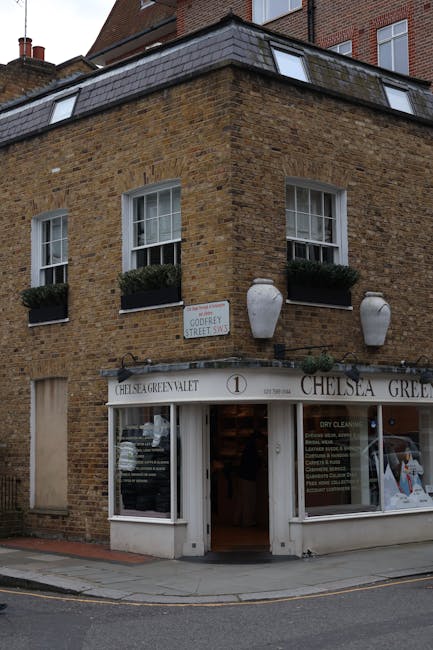
Brompton in west London is a long-established district associated with the Royal Borough of Kensington and Chelsea and parts of the wider City of Westminster edge, sitting between Kensington, Chelsea, Knightsbridge and South Kensington. The name is often used for an area that includes the streets around Old Brompton Road and the historic parish landscape that developed from older villages and open fields into a dense urban quarter. Today it is known for an elegant mix of terraced housing, mansion blocks, museums, garden squares and busy arterial roads. The district’s built environment reflects several layers of London history: Georgian and Victorian development, later mansion block construction, and more recent changes tied to cultural institutions and high-value residential use. The area is also strongly associated with exhibition culture and specialist retail, with the Natural History Museum, the Victoria and Albert Museum and the Science Museum all close by in South Kensington. Nearby Queen’s Gate and the Brompton Cemetery landscape add further architectural and historic interest. Brompton Cemetery, laid out in the 19th century, is one of London’s major garden cemeteries and includes formal avenues, monuments and tree-lined walks. The district’s transport links and main roads give it a distinctly urban feel, while smaller streets and squares offer quieter pockets with a more residential character. As part of central-west London, Brompton has long balanced everyday neighbourhood life with major institutions, making it a place where historical fabric, cultural landmarks and active city movement sit close together.
Household-style clearances for mixed contents

House clearance is sometimes the most suitable option when a property contains a broad mix of items rather than one narrow category of waste. That can include furniture, general contents, small appliances, soft furnishings and stored belongings that need to be taken away together. In commercial terms, it is often relevant to managed properties, estates, temporary accommodation or premises that contain domestic-style items left after a change in occupancy.
The main value of a whole-property clearance is that it reduces the need to organise several separate removals. Instead of dealing with the contents room by room over a long period, the job can be planned as one structured uplift. House clearance is the more suitable page when the emphasis is on emptying a full property or a major part of it rather than taking away one category of waste.
For larger clear-outs, it helps to think in terms of what must remain, what can be removed immediately and what needs extra handling because of size or fragility. That sort of preparation keeps the work orderly and avoids the risk of taking away items that were meant to stay. If you need a mixed clear-out that goes beyond a simple rubbish collection, we can discuss the contents and build the removal around the property.
Special items, appliances and controlled disposal
Some commercial clearances include items that are bulky, awkward or subject to extra handling considerations. Fridges, freezers, white goods and certain upholstered items may need to be dealt with separately from ordinary bagged waste, because they are larger, heavier or harder to move safely through a premises. When such items are present, it helps to identify them clearly so that they are not treated as generic rubbish.
We can also help with certain specialist disposal needs where the item type is known in advance and the removal can be planned appropriately. That includes mattresses, sofas and other large domestic-style pieces when they are part of a business or managed-property clear-out. If your load is centred on appliances, fridge and appliance removal provides a relevant route, while upholstered items may sit more naturally under furniture-specific disposal.
- List bulky items separately from ordinary waste.
- Tell us about stairs, lifts or narrow access before collection.
- Keep any items that must stay in place clearly apart from those to be removed.
- For mixed loads, note whether the heaviest pieces should go first.
Quotations, access and the best way to book
A useful quotation depends on a few straightforward details: what needs removing, roughly how much there is, where it is located and how easy it is to reach. That does not mean preparing a perfect inventory, but a clear description usually helps more than a very brief message. If the property has loading restrictions, security checks or limited entry times, mention those as well so the collection can be fitted around them sensibly. Pricing and quotes is the natural page for this stage of the process.
Photographs can also help when a site contains mixed materials or awkward furniture, because they show shape, volume and access more accurately than a short note. If the job is urgent, say so plainly; if it is tied to a moving date, refurbishment slot or tenancy handover, include that too. The clearer the starting point, the easier it is to match the removal to the right service approach rather than overcomplicate it.
Call now or send your details for a quotation. If you would like to move ahead, the simplest next step is to outline the items, the location and the preferred timing so the work can be planned efficiently. We can then discuss the most suitable commercial waste removal option in Brompton and agree the way forward.