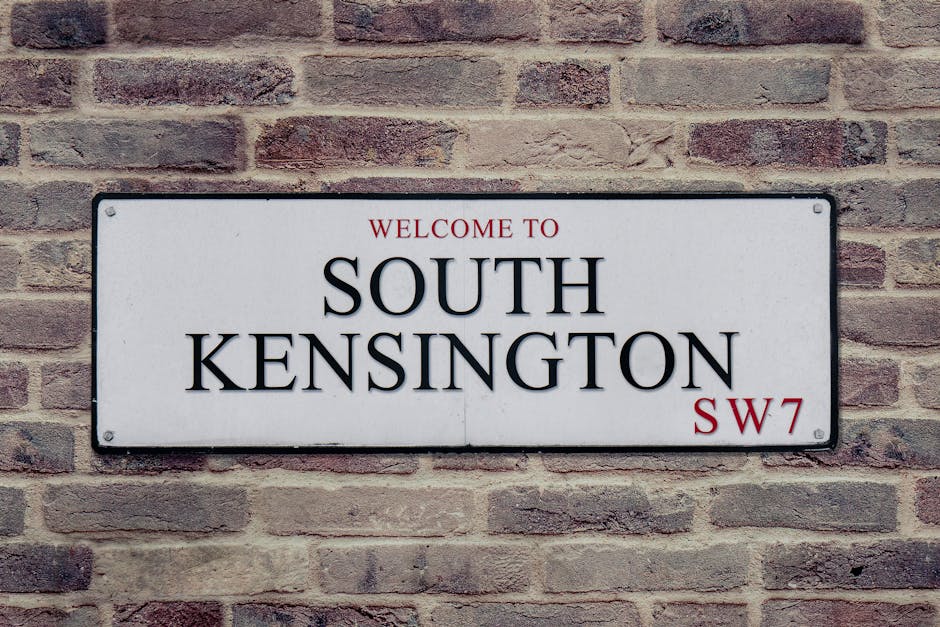
South Kensington Station Bulky Waste Collection and Rubbish Quote: A Practical Guide for Faster, Safer Clearance
If you are dealing with a sofa that won't fit through the door, a pile of renovation debris, or a jumble of old office items that has quietly taken over the hallway, you probably do not need another vague service page. You need a clear, useful explanation of South Kensington Station bulky waste collection and rubbish quote options: what gets removed, how the process works, what affects the price, and how to avoid a messy last-minute surprise. That is exactly what this guide is for. South Kensington has its own rhythm, and so do the properties around it-flats, mews homes, offices, basement spaces, shared entrances. The good news? With the right plan, bulky waste removal does not have to be a headache.
In the sections below, you will find a straightforward breakdown of the service, practical steps for arranging a quote, common pitfalls to avoid, and a realistic checklist you can use before you book. No fluff. Just the stuff that actually helps.
Why South Kensington Station Bulky Waste Collection and Rubbish Quote Matters
Bulky waste is not just "more rubbish." It is the awkward stuff. The items that are heavy, bulky, hard to carry, or simply too much for a normal bin lift. Think wardrobes, mattresses, broken desks, appliance carcasses, garden clippings in oversized bags, construction offcuts, and those odd bits from a flat clear-out that never seem to shrink no matter how long you stare at them. Around South Kensington Station, that becomes even more relevant because access can be tight, parking may be limited, and timed collections often need to be coordinated with neighbours, building managers, or office teams.
A proper quote matters because bulky waste is usually priced by what needs to be removed, how much space it takes in the vehicle, how heavy it is, and how easy it is to collect. If you only describe the job vaguely, the price will often be vague too. Not ideal. A good rubbish quote gives you a clearer expectation before anyone arrives, which helps you compare options and plan the day without that slightly stressful "what on earth is this going to cost?" feeling.
It also matters for safety. Lifting heavy furniture down stairwells or across shared entrances is no small thing, especially in older buildings. In our experience, the most frustrating jobs are rarely the biggest ones; they are the ones with poor access, unclear item lists, or a last-minute discovery that the fridge still contains food. Small details, big impact.
Key point: the more accurate the rubbish quote, the smoother the collection will be. That is especially true for a busy, access-sensitive area like South Kensington Station.
How South Kensington Station Bulky Waste Collection and Rubbish Quote Works
The process is usually simpler than people expect. You describe what needs to go, the provider assesses the volume and access, and you receive a quote based on the likely time, labour, and disposal requirements. If you accept, a collection slot is arranged. On the day, the team removes the items, loads them safely, and takes them away for appropriate sorting, reuse, recycling, or disposal.
That sounds tidy on paper. In real life, there are a few variables that can change the quote quite a bit:
- Volume: one armchair is very different from a full room of mixed furniture.
- Weight: plasterboard, rubble, appliances, and soaked carpet are all heavier than they look.
- Access: stairs, no lift, narrow corridors, controlled entry, or long carries can add labour.
- Parking and waiting time: in central London, this is often part of the practical equation.
- Waste type: mixed waste, appliances, and specialist items may need different handling.
If you are booking a clearance after a flat move, for example, a rough description like "some furniture and bags" is not enough. Better to list items one by one. A sofa, a double mattress, two wardrobes, ten black bags, a broken desk, and a fridge. That level of detail makes a quote far more useful.
Some jobs can be estimated from photos. That is often the quickest route. If the team can see the items, the access route, and the general scale of the clear-out, they can usually give a far tighter quotation. If you can, take pictures in daylight and include the doorway, staircase, or lift. It helps more than people realise.
Key Benefits and Practical Advantages
There is a reason people choose collected removal instead of trying to handle bulky waste themselves. Actually, there are several reasons.
- Less physical strain: heavy lifting is a genuine risk, not an inconvenience.
- Faster turnaround: a well-planned collection can clear a space much quicker than self-haul.
- Better access management: useful for flats, managed buildings, and commercial premises.
- Cleaner finish: the space is left ready for the next stage, whether that is decorating, letting, or reopening.
- More predictable planning: a quote gives you a budget framework instead of guesswork.
- Potentially better sorting: a responsible clearance service can separate recyclable material from general waste.
For homes, this often means you finally reclaim the spare room or hall. For offices, it can mean workstations are cleared before new furniture arrives. For builders or landlords, it can prevent a small pile of waste from turning into a proper bottleneck. You will notice the difference immediately when the clutter is gone. The room sounds different, even. Less echo, less clutter, less mental noise.
There is also a peace-of-mind benefit that is easy to overlook. When bulky waste is handled properly, you are not left wondering whether the items were dumped carelessly or whether the collection will return with an extra charge hidden in the small print. A clear rubbish quote reduces that uncertainty.
Who This Is For and When It Makes Sense
This kind of service is useful for a wide range of people around South Kensington Station. To be fair, it is one of those services that becomes relevant at the moment you suddenly need it. Often yesterday.
You may need a bulky waste collection and quote if you are:
- moving out of a flat and need furniture removed quickly
- clearing a rental property between tenancies
- replacing old office furniture or filing equipment
- tidying a storage room, basement, loft, or garage
- removing builder's rubble, packaging, or renovation leftovers
- disposing of awkward items like mattresses, sofas, or appliances
- clearing garden waste after landscaping or pruning
It also makes sense if you simply do not have the time or vehicle to move large items safely. A lot of people start with the intention of doing it themselves, then realise the staircase is too tight, the van is too small, or the waste is more mixed than expected. Happens all the time. One minute you are optimistic; the next minute you are wrestling with a wardrobe at an angle that physics clearly dislikes.
If your clearance is broader than a single item, you may also want to look at related services such as furniture clearance, house clearance, flat clearance, or office clearance, depending on the property type and the mix of waste.
Step-by-Step Guidance
If you want a better quote and a smoother collection, a structured approach helps. The process is simple, but the details matter.
- List the items clearly. Count them, name them, and note if anything is unusually heavy, awkward, or fragile.
- Take photos from several angles. Include access points, staircases, corridors, and the items themselves.
- Separate what stays from what goes. It sounds obvious. It is still where many jobs go sideways.
- Identify specialist waste. Fridges, mattresses, sofas, and potentially hazardous items may need separate handling.
- Check building access rules. Doors, lifts, permits, loading restrictions, concierge arrangements, and time windows all matter.
- Request the quote with as much detail as possible. The more specific you are, the more accurate the estimate.
- Confirm what is included. Ask whether labour, disposal, loading, and any access-related considerations are covered.
- Prepare the items for collection. Keep them in an accessible place if possible, but do not block fire exits or communal areas.
- Review the final details before the collection day. Timing, contact number, entry instructions, and payment method should all be clear.
A small bit of prep can save a surprising amount of hassle. If the waste is spread across several rooms, try to group it together before the team arrives. You do not need to do the lifting yourself-please don't if it is unsafe-but a bit of order speeds things up.
If you are arranging a clearance alongside building works, it may help to review builders waste clearance or the general waste removal service so the quote reflects the actual load more accurately.
Expert Tips for Better Results
A few practical habits tend to produce better quotes and better collections. Nothing fancy. Just sensible stuff that experienced teams appreciate.
- Use item counts, not vague labels. "Three office chairs and one metal cabinet" is better than "some office stuff."
- Be honest about access. If there is no lift and the items are on the third floor, say so upfront.
- Flag heavy materials early. Rubble, tiles, soil, and wet waste can change the scope quickly.
- Keep mixed waste separate where possible. It often helps with recycling and job planning.
- Ask about breakable or sensitive items. Glass-front furniture, old electronics, and confidential material should be mentioned.
- Think about timing. Early morning or off-peak slots may be easier where access is tricky.
One tiny but important thing: if you are clearing a flat in a shared building, tell the provider whether there are stairs that narrow sharply near the landing. That one detail can decide whether a bulky cupboard comes out in one piece or in a few careful sections. No drama, just reality.
For special items, it may be worth checking pages like mattress and sofa disposal or fridge and appliance removal if those are part of the job. Special items often bring special questions, and better to answer them early.
Common Mistakes to Avoid
People usually do not get bulky waste quotes wrong because they are careless. They get them wrong because the job looks simple from across the room. Then reality steps in.
- Under-describing the volume. A "few items" can become a van-full once everything is gathered together.
- Forgetting hidden waste. Drawers, boxes, bagged clutter, and loose material are easy to miss.
- Ignoring access issues. Shared entry, no parking, and flight after flight of stairs can change the job considerably.
- Mixing restricted items with general waste. That can create delays or extra handling needs.
- Leaving it to the last minute. Rushed bookings usually mean more stress and less flexibility.
- Not checking what the quote includes. A low number is not useful if it excludes the bits you actually need.
One common mistake is assuming all bulky waste is the same. It is not. A lightweight chair, a water-damaged mattress, and a stack of old office cabinets are three very different jobs. Another mistake is waiting until the day of collection to discover the waste is in the basement behind a locked door. That one is classic. Painfully classic.
If your clearance includes items from a loft, garage, or storage room, the relevant pages for loft clearance and garage clearance may help you think through access and item types before you request a quote.
Tools, Resources and Recommendations
You do not need specialist equipment to get a good rubbish quote, but a few basic tools make the process smoother and more accurate.
- Phone camera: take clear photos in daylight if you can.
- Notebook or notes app: list items room by room.
- Measuring tape: useful for oversized furniture and tight hallways.
- Access details: floor level, lift size, parking restrictions, door codes, and loading point.
- Simple sorting area: if safe, group items to be removed in one spot.
It is also worth reviewing a few relevant service pages before you book, because they help you understand what is typically included. A general overview of pricing and quotes can be especially useful if you want to know what drives the estimate. For customers who care about what happens after collection, recycling and sustainability is a sensible read.
If you are unsure whether certain items can go with mixed waste, the page on what can go in a skip gives a useful sense of common waste categories and the sort of materials that need more care.
Expert summary: the best quote is not always the cheapest one. It is the one that matches the real job, explains what is included, and gives you a simple collection day with no surprises. That is the sweet spot.
Law, Compliance, Standards, or Best Practice
For bulky waste collection in the UK, the main practical concern is responsible handling. You do not need to become a waste expert, but you do want the provider to operate in a safe, lawful, and transparent way. In everyday terms, that means the waste should be carried, sorted, transported, and disposed of in line with normal industry expectations, with special care for any items that need separate handling.
For customers, a few best-practice points are worth keeping in mind:
- Do not leave waste where it blocks access routes or fire exits.
- Tell the provider about anything sharp, heavy, liquid-filled, or unusual.
- Keep sensitive materials separate where needed.
- Use a provider that is clear about safety, insurance, and payment terms.
- Ask questions if the quote feels too broad or too good to be true.
If your waste includes electrical items, fridges, mattresses, or items that may have contamination or special disposal needs, it is sensible to mention those early. The same applies to business material such as paperwork. If a commercial clear-out includes files, you may also want to consider confidential shredding to keep disposal tidy and appropriately handled.
Trust matters here. So does clarity. A provider that explains its processes through pages like health and safety policy, insurance and safety, and payment and security is usually making a helpful signal about how they work day to day.
Options, Methods, or Comparison Table
If you are deciding how to clear bulky waste near South Kensington Station, the right method depends on volume, access, urgency, and how much manual lifting you want to avoid. Here is a simple comparison.
| Method | Best for | Advantages | Possible drawbacks |
|---|---|---|---|
| Bulky waste collection | Single items or mixed loads with tricky access | Quick, practical, labour included, quote based on real job details | Price varies with access and volume |
| Skip-based approach | Projects with ongoing waste over several days | Useful for steady build-up of materials | Needs space, permits may matter, and loading is manual |
| Self-haul | Small volumes and easy transport | Can work for simple, light loads | Time-consuming, physically demanding, and not ideal for bulky items |
If you are clearing out a whole property, bulk collection is often the less stressful option. If the waste is mainly construction debris and you have room to load it, you might compare the practicalities against skip use. If you want a better sense of what fits into a skip, the page on what can go in a skip is helpful again, especially if your job is mixed and you are weighing up options.
And yes, sometimes the choice comes down to a very ordinary question: do you want to spend your Saturday moving furniture, or would you rather have the room back by lunchtime? Most people know the answer pretty quickly.
Case Study or Real-World Example
Picture a second-floor flat near South Kensington Station after a tenancy ends. The space contains a broken sofa, a mattress, a dining table with chipped legs, several small bags of mixed household waste, and an old fridge that has been unplugged for a week. The corridor is narrow, there is a shared entrance, and parking is not exactly generous.
The resident sends clear photos and a simple item list. The quote is shaped around the actual number of items, the awkward access, and the need to remove the appliance safely. On collection day, the team arrives with the right equipment, protects the route where needed, and clears the space in one visit. The room is empty, the deposit inspection can go ahead, and the tenant is not left trying to shift the last heavy item at 8pm with a neighbour "helping" in that slightly unhelpful way people do.
The important part here is not the furniture itself. It is the sequence. Good photos, good item detail, clear access information, and a quote that reflects the real job. That is what makes it work.
Practical Checklist
Use this before you request your South Kensington Station bulky waste collection and rubbish quote:
- List every item that needs removing
- Take clear photos in good light
- Note stairs, lifts, and doorway widths
- Check if parking or loading access may be tight
- Separate specialist items from general waste
- Remove anything you want to keep before the team arrives
- Ask what is included in the quote
- Confirm timing, contact details, and entry instructions
- Make sure waste is accessible and not blocking exits
- Keep any confidential papers or sensitive materials separate
Practical takeaway: if you can describe the job in one clear paragraph and back it up with photos, you will usually get a much better quote. Simple as that.
Conclusion
South Kensington Station bulky waste collection and rubbish quote requests work best when they are specific, honest, and based on the real conditions on site. That means thinking through the items, the access, the timing, and any special waste types before you book. It also means choosing the service that fits the actual job, not just the first number you see.
For homes, offices, landlords, and renovation projects, a well-organised collection can save time, reduce stress, and keep the whole place moving. And when you are dealing with clutter that has sat there long enough to become part of the scenery, getting it out feels better than you expect. A bit lighter. A bit cleaner. Very often, a bit of relief too.
Get a free quote today and see how much you can save.
If you would like to learn more about the people behind the service, you can also read about us or visit the contact page when you are ready to ask a question. Either way, a clearer space is usually closer than it feels.
Frequently Asked Questions
What counts as bulky waste near South Kensington Station?
Bulky waste usually means items that are too large, heavy, or awkward for normal bin collection. Typical examples include sofas, mattresses, wardrobes, desks, appliances, and mixed household clutter.
How do I get an accurate rubbish quote?
List every item, include photos, and explain access clearly. Stairs, lifts, parking limits, and narrow corridors can all affect the price, so the more detail you give, the better.
Can I book a same-day bulky waste collection?
Sometimes, yes. It depends on availability, the size of the job, and how straightforward the access is. Smaller and clearer jobs are usually easier to fit in quickly.
Does the quote include labour and loading?
It should be made clear in the estimate. Always check whether the price covers collection, loading, transport, and disposal so you know exactly what you are paying for.
What if my waste includes a fridge or appliance?
Appliances often need separate handling because they can include materials or components that are treated differently from general rubbish. Mention them early when asking for a quote.
Is it better to use a skip or a bulky waste collection?
That depends on the job. A skip can suit ongoing building work, while bulky waste collection is often better for mixed loads, furniture, or jobs with difficult access.
Do I need to sort the waste before collection?
Not always, but separating items into broad groups can help. Keep specialist waste apart where possible and make sure the collection team can reach everything safely.
What should I do with confidential papers?
Keep them separate from general waste and ask about secure disposal options. For business jobs, confidential shredding is often the cleaner way to handle paperwork.
Can bulky waste be collected from a flat without a lift?
Yes, but it may affect the quote and the collection plan. The number of stairs, the width of the landing, and the size of the items all matter.
What happens to the waste after collection?
It is usually sorted for reuse, recycling, or disposal depending on the material. Responsible providers aim to divert as much as possible from general waste routes where practical.
How can I keep the price down?
Be accurate, prepare the items well, and provide good access details. Avoid last-minute additions if you can, because extra items often change the scope of the job.
Where can I learn more before booking?
Useful starting points include pricing and quotes, recycling and sustainability, and service pages such as furniture disposal or home clearance depending on what you need removed.